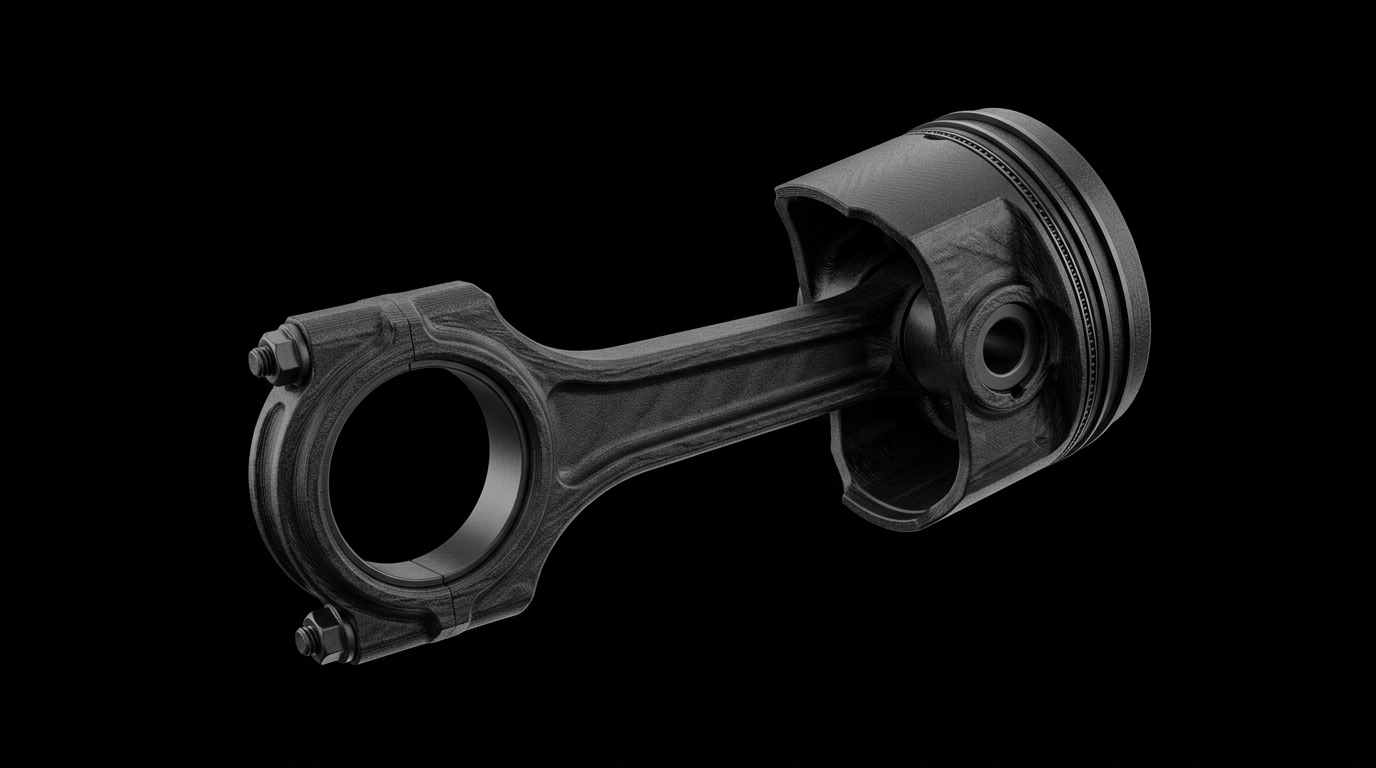
A technical analysis on reducing engineering design cycles using LiDAR calibration and active vibration compensation in additive manufacturing.
In hardware engineering design, iteration speed is the ultimate predictor of market success. Delays in the physical validation of mechanical fits, tolerance stack-up analysis, or functional testing extend time-to-market and inflate development costs. Traditionally, prototyping relied on slow CNC milling or expensive third-party outsourcing. Modern additive manufacturing resolves this bottleneck, but requires absolute dimensional accuracy to be valuable.
⚠️ The Tolerance Bottleneck in Conventional Prototyping
Many prototypes printed on consumer 3D printers suffer from thermal shrinkage or extrusion variations that deform final part dimensions. Mismatched threads, loose bearings, and misaligned holes make the prototype useless for physical testing. This forces engineering teams to redesign multiple times due to manufacturing flaws, rather than design errors.
🧬 High-Precision Engineering: LiDAR Calibration and Vibration Compensation
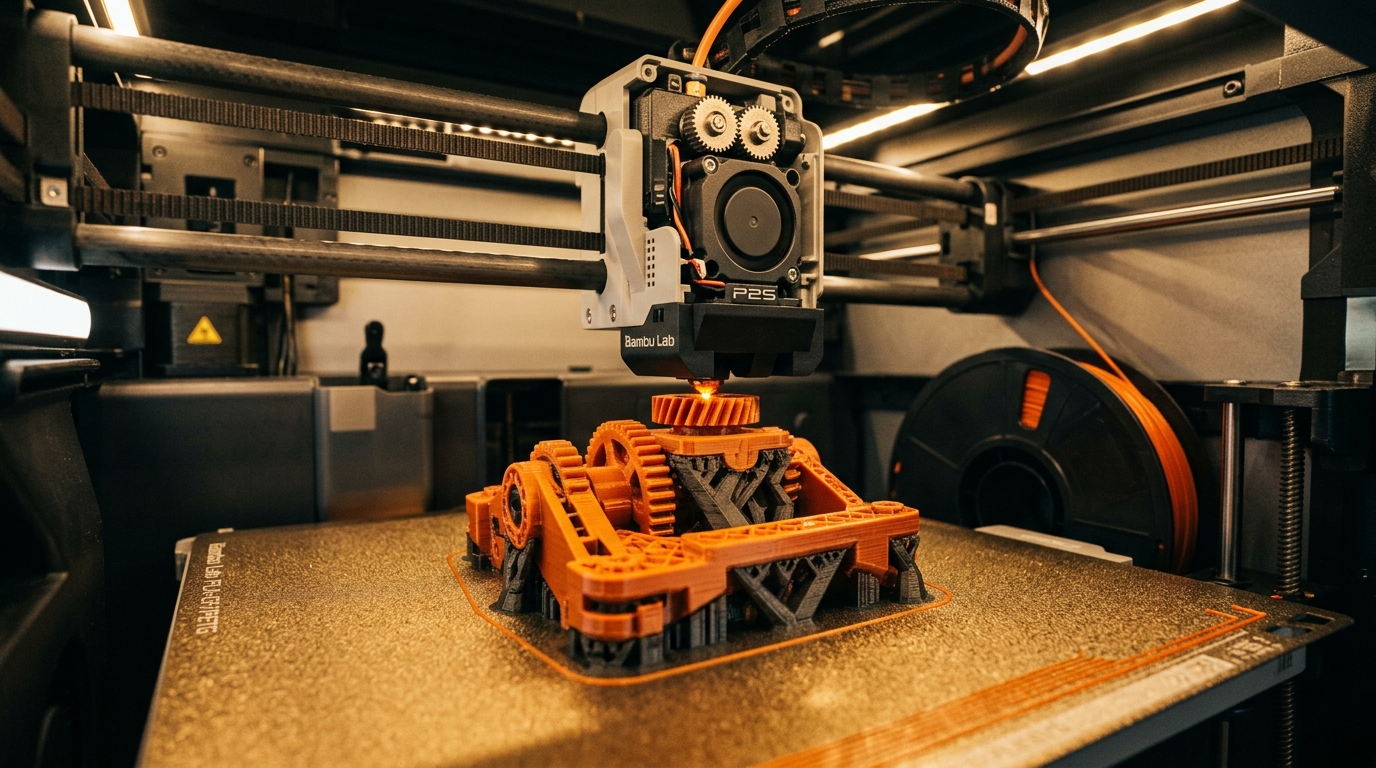
HAU3D 3D overcomes these accuracy limitations by utilizing active LiDAR laser calibration and dynamic vibration compensation (input shaping). The LiDAR sensor scans the first layer at micrometric resolution to calibrate material flow, while internal accelerometers compensate for print-head inertia during high-speed moves. This guarantees smooth surface finishes, strict dimensional tolerances of ±0.1mm, and functional mechanical fits on the very first print run.
☀️ Functional Validation and Minimizing Operational Risk
Fabricating physical prototypes in 24 hours allows R&D teams to conduct empirical tests for mechanical stress, thermal dissipation, and fluid dynamics affordably. Resolving engineering flaws in the physical world before investing thousands in permanent tooling or manufacturing tooling decreases recall risks and optimizes final product quality.
🏆 IP Governance and Complete Traceability
All CAD files sent to HAU3D 3D go through an automated digital pipeline. Printing progress, precision post-processing, and quality control are tracked step-by-step in your Kanban dashboard. This record guarantees technical repeatability and the traceability required for audit-ready corporate engineering projects.